As we have gone into detail above, ERP is a system that integrates functions across an organization into a single platform. However, it can be more costly and time-consuming, because you need to manage multiple transitions and maintain support for both the new and old systems during the implementation period. An ERP system can automate processes such as payroll, employee performance tracking, and the management of personnel data, helping HR manage the company’s workforce more effectively. Enterprise Resource Planning, or ERP, is a process that a business can use to manage, integrate and automate the core parts of its day-to-day operations.
- As the name indicates, this module is used to coordinate sales and marketing activities and provide feedback to the production and QA departments regarding the demand and product quality.
- As the demand for ERP soars, novel frameworks for choosing and implementing the right ERP systems are emerging to inform best practices and—for the first time—create industry standards for ERP.
- Specifically, it can showthe status of specific products in detail and create an in-depth audit trail of anitem’s journey from raw material to finished goods.
- If nobody from the team has been a part of an ERP implementation team previously, you can always hire external consultants who can guide you through the entire process.
- This resource-oriented objective of ERP reflects its origin as a tool for the manufacturing industry.
- When you automate the processes that require very little human intervention, you free up a lot of manpower that you can then utilize for other tasks that are difficult to automate.
List of 5 Best ERP Softwares
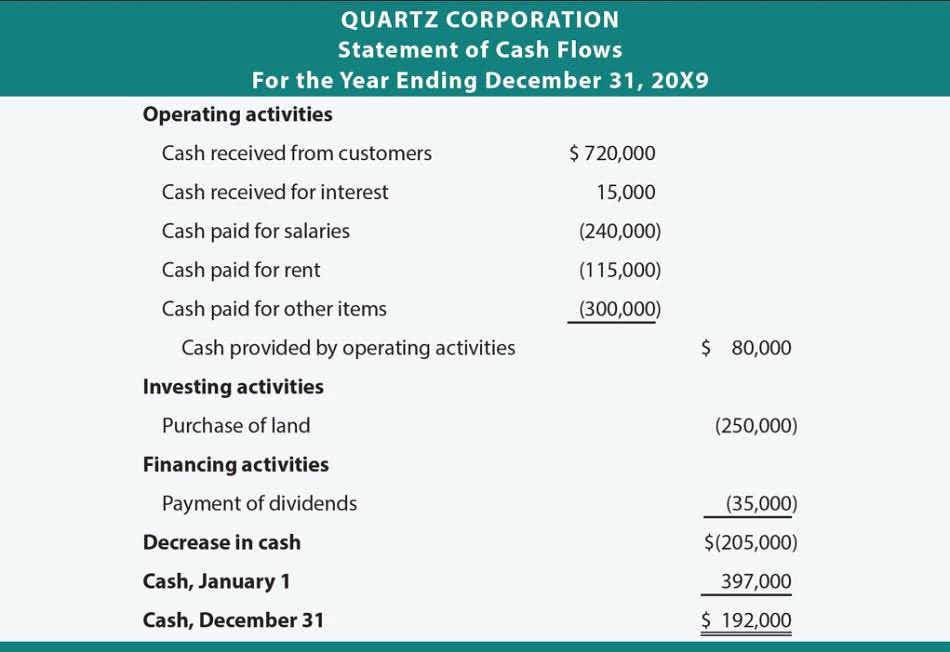
For example, when a supplier sends an electronic invoice via EDI, the ERP system can instantly process it, update financial records, and initiate payment — without human intervention. This integration reduces errors, speeds up transactions, and strengthens supply chain coordination. Businesses can set up ERP systems in different ways based on their size, goals, budget, and technical needs. Some companies want full control over their systems, while others choose simpler setups that are easier to manage and update.
Is AI Model Collapse Real?
Artificial intelligence (AI) with machine learning can help make better business choices. Scalability is a feature, yet it might not automatically suit your business if you anticipate rapid growth. It’s essential to evaluate its scalability and ensure it aligns with your future expansion goals before making a decision.
ERP Explained: Comprehensive Guide to Enterprise Resource Planning
Finding cloud applications that complement your legacy ERP software modules lets you immediately take advantage of rapidly advancing new technologies and improving user paradigms. These provide complimentary systems that deliver immediate business capabilities and value without a fundamental change in your operations. ERP systems will also provide transparency into your complete business process by tracking all aspects of production, logistics, and financials. These integrated systems act as a business’s central hub for end-to-end workflow and data, allowing a variety of departments to access. Security is also less of a concern since most IT erp defined decision-makers have come to realize that something like a Microsoft Azure data center is orders of magnitudes more secure than their own on-premises server room.

While financial management Bookkeeping for Startups and accounting are key ERP functions, the system’scapabilities stretch far beyond this department. It can automate and better manage tasksrelated to purchasing, inventory and order management, manufacturing, project management,workforce management, sales and marketing and more. ERP is software that businesses rely on to run and monitor the business performance of theirdaily operations. It stores data from across the company, from finance to supply chain tohuman resources, in a central repository and can analyze and report on all that information. A marketing automation solution integrated with theERP to attract and retain customers through creative techniques may be another logicaladdition.
Risk Management through Mobility
Carolyn Sprague holds a BA from the University of New Hampshire and an MA in Library Science from Simmons College. Carolyn gained valuable business experience as owner of her own restaurant, which she operated for 10 years. Since earning https://www.bookstime.com/ her graduate degree, Carolyn has worked in numerous library and information settings within the academic, corporate, and consulting worlds. Her operational experience as a manager at a global high-tech firm and her work as a web content researcher have afforded Carolyn insights into many aspects of today’s challenging and fast-changing business climate.
- Supply chain planning covers the procurement of raw materials and the selection of the right marketing channels to promote your finished products.
- By automating and streamlining these processes, procurement and sourcing modules can help organizations reduce costs, enhance efficiency, and improve supplier relationships.
- Simply put, ERP is the vehicle for integrating people, processes, and technologies across a modern enterprise.
- NetSuite is a cloud-based business management solution from Oracle targeted at mid-sized businesses and large enterprises.
- Originally developed to streamline manufacturing processes, ERP systems have evolved to serve a wide range of industries, including healthcare and finance.
- Quantum computing is opening doors to solve previously impossible problems, particularly in healthcare, finance, and scientific research.
Leaders and managers enriched with vital business insights and intelligence make better decisions. Finance, human resources, sales, and logistics are the common ERP modules used by companies in their ERP system. Choosing your ERP application depends on the industry you are in or your needs. For example, if you own a company in the manufacturing or retail industry, you will use the ERP modules listed above. Business leaders gain more visibility of the activities of various departments.