Alcohol can make people answer hastily, without giving it any thought, and say whatever comes to mind. What’s especially hard is when the other person is a young child who can’t escape you. Don’t just apologize and then continue to drink and repeat the behavior. People who score low on agreeableness may be more prone to expressing hostility or engaging in conflict when drunk.
Underlying Emotional Issues
However, “if you have a more curious mindset, you might say to yourself, ‘I know I’ve done this before, but it has evolved since the last time I’ve been here. Maybe a boulder hasn’t moved since your last trek, but this time, you notice the way the mica in the rock sparkles in the sunlight, helping you appreciate its beauty all over again. Conflict is a natural part of relationships, but sometimes, too much friction can indicate that love is dissolving.
- You will dramatically diminish, if not eliminate entirely, the constant need to be assured of your partner’s love, interest, and intention with you.
- The drunk participants took the loud blasts from opponents more personally and were ready to respond in kind (or even more loudly).
- You’ll also have the opportunity to connect with our licensed Reframe coaches for more personalized guidance.
- That warm, fuzzy feeling that creeps in after a drink or two is a familiar sensation for many.
Impact on Decision-Making Centers
You see them for who they really are and can’t remember what you saw so passionately in the first place. You don’t remember what they https://ontravelx.com/how-does-alcohol-affect-your-mental-health/ look like, you just remember their glow. Like love goggles, you only see certain parts of them and those parts are all roses. The researchers also showed the 15 participants photographs of their partners while delivering small stabs of pain to their palm with a hot probe.
Emotional Processing While Intoxicated
Many ask, “Why do people’s true feelings come out when drunk? ” However, the reality (as we’ve seen in our rehab in Midland) is far more complex than bar-stool wisdom suggests. Over time, excessive alcohol use can cause liver health problems such as cirrhosis. Chronic drinking can even cause dementia by causing a dangerous vitamin B-1 (thiamine) deficiency. Because alcohol changes the way the brain processes information, it also makes it difficult for people to make suitable decisions or assess their own behavior. For example, people who are very drunk might underestimate how intoxicated they are.
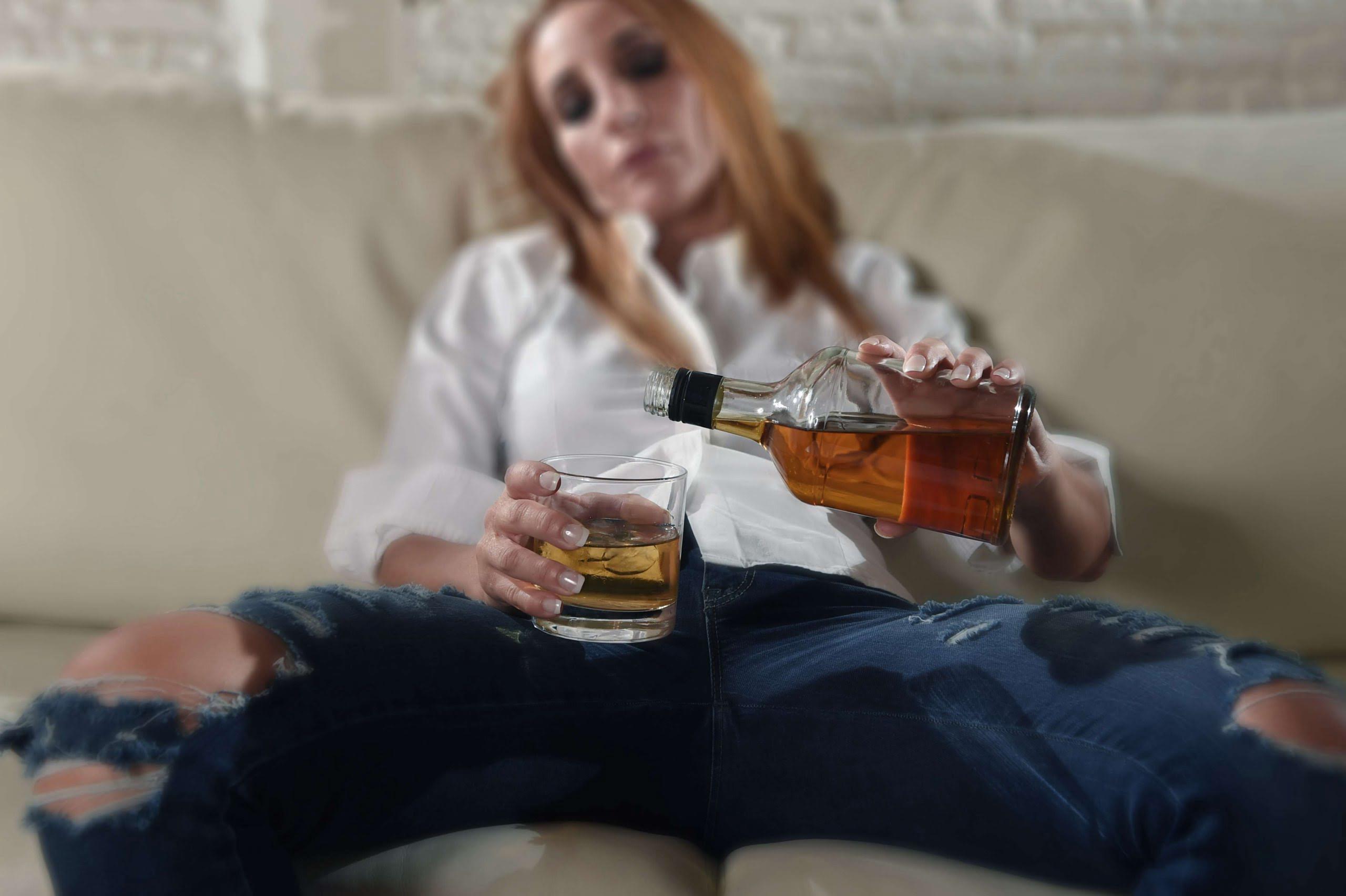
Alcohol can (and does) exacerbate emotional dysregulation, making it harder to modulate emotional responses. Underlying emotional issues can lead to difficulties in regulating emotions effectively Substance abuse – something heavy drinkers notoriously struggle with. When these underlying emotional issues remain unresolved, alcohol can act as a powerful disinhibitor.
- Plus, we’re always introducing new features to optimize your in-app experience.
- Understanding the effects of alcohol on one’s behavior is crucial to maintaining healthy relationships and preventing potential incidents.
- It’s important to remember that impairment begins long before you hit the 0.08% mark, and any amount of alcohol can affect your ability to drive safely.
- It can also signify that some underlying problems in your relationship bubble up when you’re both drinking.
After drinking, individuals entered the MRI scanner to play the aggressiveness game, a competitive reaction-time test. Each individual was shown a display and had to race his “opponent” to hit a button whenever a love drunk feeling colored square appeared. Although alcohol can make anyone a mean drunk, there are some interesting studies on the effects of alcohol on aggression in men in particular. We’ve all been or seen someone have a few drinks and become a new person. The nice guy in marketing is yelling at strangers for looking at him the wrong way.
The concept of drunk honesty needs careful examination, as the authenticity of alcohol-induced emotions becomes increasingly questionable as intoxication levels rise. When alcohol enters our bloodstream, it crosses the blood-brain barrier within minutes, initiating a cascade of changes that fundamentally alter how we process information, emotions, and social cues. This explains why that casual thought about missing your ex transforms into a dramatic 2 AM declaration of undying love.
It’s crucial to remember that alcohol doesn’t exist in a vacuum. Mixing it with other substances, including prescription medications, over-the-counter drugs, or illicit drugs, can lead to unpredictable and dangerous outcomes. This combination can seriously impair your judgment and intensify the emotional rollercoaster that alcohol can already trigger. The effects can be much stronger and more hazardous than consuming either substance alone, increasing the risk of emotional instability, accidents, and severe health complications. Always consult with a healthcare professional about potential interactions with any medication you are taking. Have you ever been so consumed by anger, anxiety, or even excitement that you couldn’t think straight?
No Time to Exercise? How to Lose Weight and Get in the Best Shape You’ve Ever Been
The joy, the confidence, the lowered inhibitions — that’s all the alcohol talking. The stages range from sobriety to potential death, with each stage characterized by specific emotional and physical symptoms. There are several common myths about sobering someone up that are actually dangerous.
In a positive social context, drinking can lead to enjoyable experiences and stronger social bonds. Alcohol can help reduce social anxiety, making it easier for individuals to connect with others and participate in group activities. One of the most noticeable physical effects of being drunk is the loss of coordination. Individuals may have difficulty walking, experience slurred speech, and struggle with fine motor skills. This lack of coordination can increase the risk of accidents and injuries.
Understanding the science behind it can help you make more mindful decisions about your consumption. It’s not just about the number of drinks; it’s about how your unique body processes the alcohol you consume. This knowledge empowers you to stay in control and recognize the signals your body is sending you, which is a key step in building a healthier relationship with alcohol.
When this area is suppressed, the emotions you normally keep in check can surface unexpectedly. At the same time, the amygdala, your brain’s emotional center, becomes more reactive. This combination means your brain’s logical filter is offline while its emotional alarm system is on high alert. How did your night go from Stranger Things to strange feelings in your stomach and scattered thoughts in your mind? Well, brace yourself as we dive into the somewhat squiffy world of alcohol and explore what being drunk really feels like.